Drywall Contractors in Ashwaubenon, WI — Residential & Commercial Drywall Specialists
Commercial build-outs, rated assemblies and residential repair across Ashwaubenon, a village with more visitor-facing square footage per resident than anywhere else in the county.
Green Bay Elite Drywall is your local resource for drywall work throughout Ashwaubenon, WI. We work with experienced drywall professionals who hang, tape and finish board in Northeast Wisconsin homes and commercial spaces every week.
Ashwaubenon runs a different mix than the rest of the metro. The village had slightly fewer residents in 2020 than it did in 2000, while its commercial and visitor-facing footprint kept expanding the whole time. That combination means the residential drywall work here is overwhelmingly repair, remodel and ceiling work on an existing housing stock, while the growth-side work is commercial: partitions, rated assemblies and tenant spaces getting reconfigured for the next occupant.
Those two jobs share a material and almost nothing else. Commercial partitions go up on light-gauge steel rather than wood, gauge follows wall height and what gets hung on the wall, deflection gets detailed where a partition meets a deck that moves, and the finish schedule is a contractual date rather than a preference. A residential ceiling repair three streets away is a texture-matching problem. Quoting one like the other is how a project goes wrong early.
Drywall Services Available in Ashwaubenon, WI
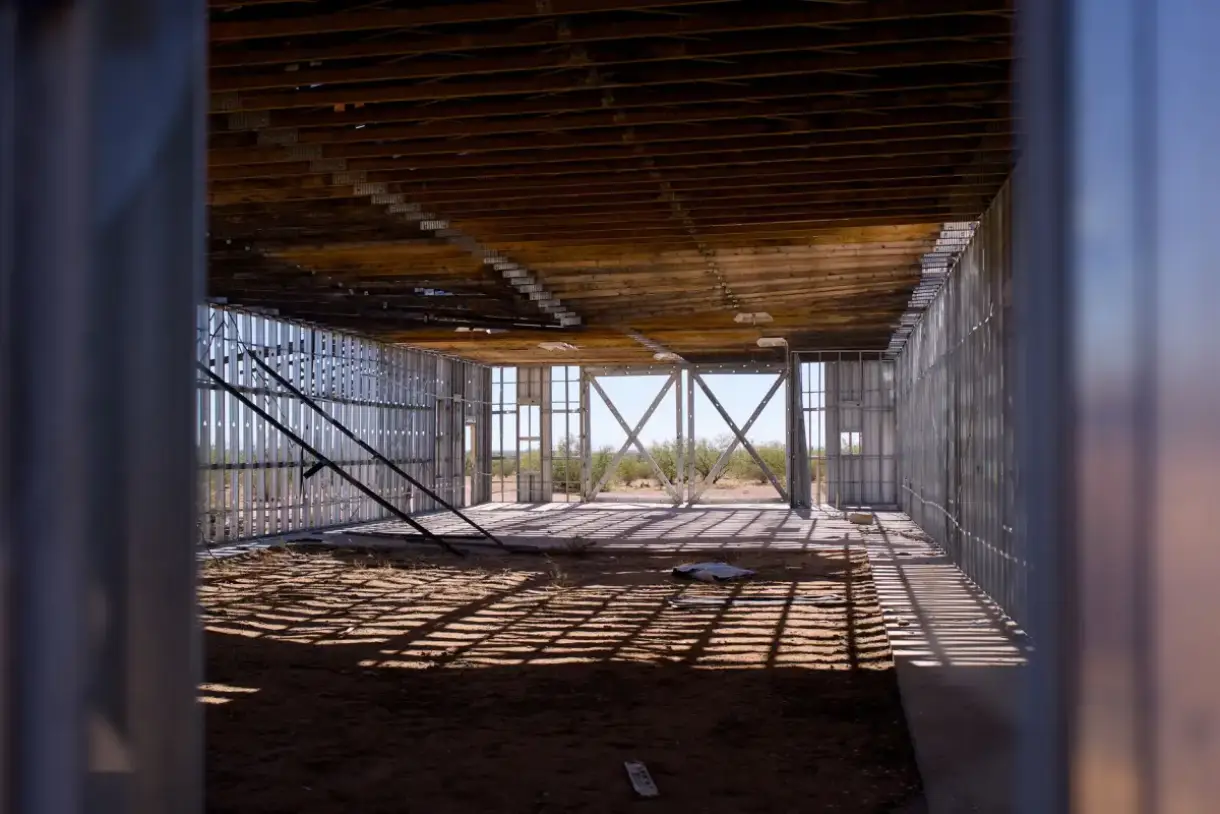
Commercial work carries more weight in Ashwaubenon than anywhere else in the Green Bay metro — tenant build-outs, metal stud framing, and commercial finishing where a project's finish schedule is already committed. On the residential side it is ceiling repair, texture matching and remodel work rather than new installation, since there are very few new houses here to hang.
Residential Drywall
Drywall Installation Process for Ashwaubenon Properties
- 1
Walk the Framing and the Conditions
The estimate comes from the space rather than a phone description, and in this climate it comes from the conditions as well. Framing gets checked for plane, because a stud bowed a quarter inch will telegraph through finished board and no compound fixes it afterward. Fastener backing gets confirmed where fixtures and cabinets will mount later. Panel type is decided room by room. And the heat situation gets established honestly — whether the building will be at a workable temperature through the finishing phase, because that determines the schedule more than the crew size does.
- 2
Hang the Board
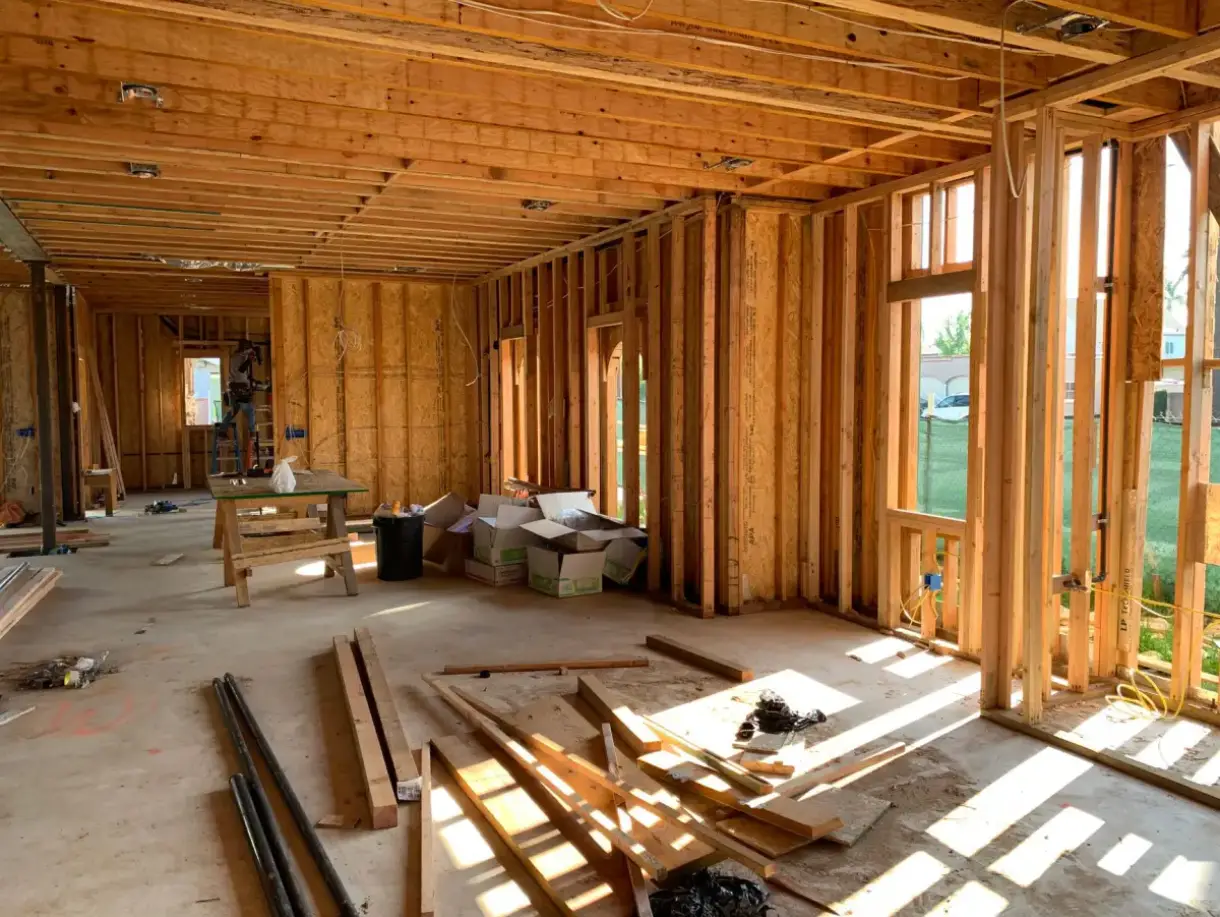
Ceilings first, then walls, so wall panels support the ceiling edge and the corner closes tight. Panels run perpendicular to framing where the layout allows, which puts each sheet across more members and spreads any movement. Seams stagger so no two joints stack, and joints stay away from door and window corners where stress concentrates. Screws go in at the assembly's spacing, set below the paper without tearing it. On ceilings the panel thickness follows the framing spacing rather than the price list, because 1/2 inch board on 24-inch centers develops a visible sag long before anything else on the job fails.
- 3
Tape and Coat at a Pace the Building Allows
Tape is embedded in a wet bed coat at every seam and inside corner, corner bead is set and checked for straightness, then fill and finish coats go on, each feathered wider than the last. Every coat dries completely before the next — this is the fixed constraint and adding people does not shorten it. In a cold or unheated building it lengthens considerably, which is where setting-type compound earns its place: it cures chemically rather than by evaporation and can be recoated sooner. What it cannot do is replace drying on the final coats that get sanded and seen. On an Ashwaubenon build-out this is the step that collides with a committed opening date, and it is the one worth raising during the estimate rather than during the schedule.
- 4
Sand, Match, and Hand Over
Sanding is taken to the finish level agreed at the start, checked under the room's actual lighting rather than a work light. A wall that passes under a bulb held close can still show every seam when the real fixtures go on and winter daylight crosses it at a low angle. Where new board meets existing surfaces, the texture is sampled from the original, reproduced on scrap, adjusted, and only then applied. Dust gets removed rather than moved around, and the surface is left genuinely ready for primer instead of nearly ready. Sanding gets planned around occupancy on commercial work here, since a good share of the village's space stays partly in use while the work happens.
Fix the Cause, Then the Ceiling
A phone number and a truck in the driveway don't make a company. Here's what's actually different about ours for a job in Ashwaubenon, WI.
The Cause Gets Named, Not Just the Damage
A stained ceiling in this climate usually has something above it still going on. You get told what is actually causing it, even when the honest answer is that another trade needs to go first.
One Relationship, Start to Final Coat
Your details don't get sold to whoever bids fastest. The same experienced drywall professional runs the job from the first walkthrough through the last pass with the sander.
Repairs Meant to Survive a Winter
Refilling the same screw pop every March isn't a repair, it's a routine. Fasteners get set back into solid framing and the surface refinished so the fix holds through the next heating season.
What Drywall Work Looks Like in Ashwaubenon, WI
Tenant Build-Outs and Turnover Space
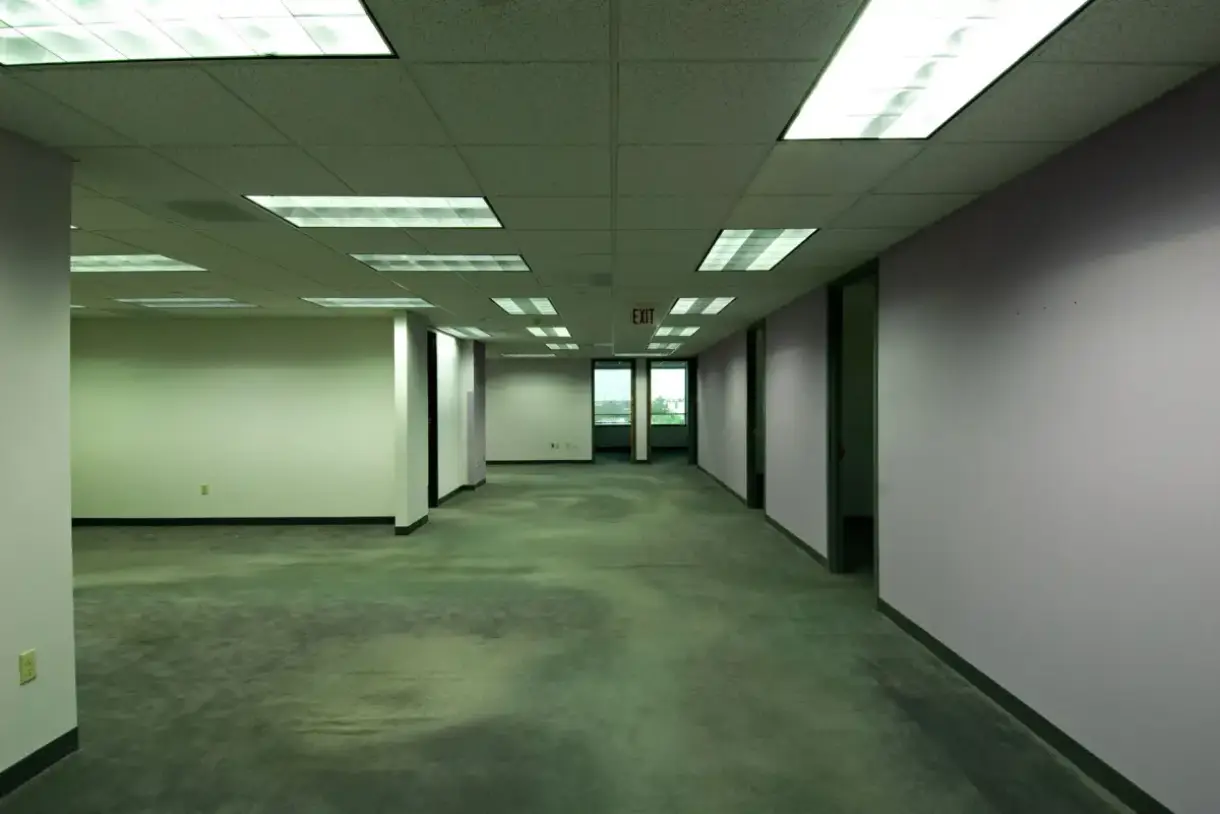
A build-out is a fixed-date job, not an open-ended one. Partitions get framed to the demised-space drawings, rated walls get built to the listed detail rather than approximated, and the finish level is whatever the project documents specify — often a Level 4 in back-of-house and a Level 5 where lighting is designed to graze a wall. The constraint that catches people out is sequencing: taping and coating cannot be compressed, because each coat has to dry through before the next, and adding people to the job does not shorten that.
Work Around an Occupied Building
A retail or office space that stays partly open during the work turns a straightforward job into a logistics problem. Dust control and floor protection stop being courtesies and become the thing that determines whether the space can open the next morning. Sanding in particular is planned around occupancy rather than around the crew's convenience, and setting-type compound earns its place where a coat needs to be recoated sooner than evaporation would allow.
The Titletown District and Newer Mixed-Use Space
The Titletown District opened in 2017 on 45 acres adjacent to Lambeau Field, and mixed-use development of that generation is built almost entirely on light-gauge steel framing with rated separations between uses. That changes the fastener, the spacing and the screw depth from anything used in a house — a screw set too deep in steel-framed work tears the paper face and loses most of its holding power, and a torn face on a partition that also carries a rating is a failure in two directions at once.
The Airport and Museum Corridor
Austin Straubel International Airport sits in Ashwaubenon, about seven nautical miles southwest of downtown Green Bay, and the National Railroad Museum is in the village as well. Institutional and public buildings in that corridor mix original construction with decades of interior reconfiguration, so a wall in one is not reliably the wall the drawings show. On that kind of building the walkthrough is where the actual assembly gets identified, before a number goes on paper.
Residential Ceilings in a Built-Out Village
The residential work here is what happens to board that has been up for forty or fifty years. Ceilings are the bulk of it: sprayed textures that need matching, seams telegraphing in flat light, and the annual crop of fastener pops that a long heating season produces. A ceiling is judged from across the room in flat light, which is the least forgiving condition there is, and that is why ceiling work costs more per square foot than wall work.
Where This Comes Up Around Ashwaubenon, WI
Public Safety, Triple-Trained
The Ashwaubenon Public Safety Department cross-trains its full-time members as police officers, firefighters, EMTs or paramedics — an arrangement uncommon enough that it needed the state legislature's approval to continue. It says something about how a village of this size runs its commercial districts, and it is the department that inspects the rated assemblies in them.
Highway 172 and Interstate 41
Interstate 41 and Wisconsin Highway 172 both run through the village, and the commercial density follows them. That access is also why the commercial side of the work here runs to tenant turnover — space near an interchange changes hands more often than space that does not.
Land That Was Never Sold to the Military
When the U.S. military bought most of the west side of Green Bay in the 1850s and 1860s, the land that became Ashwaubenon was left out — it belonged to two daughters of Chief Ashwaubamy, who began selling to local farmers late in the 19th century. The village's later, private-sale development pattern is part of why its street grid and lot sizes read differently from the city's.
When We’re Not the Right Call
- One small hole behind a door. A patch kit, a putty knife and a sanding sponge cost less than the trip out, and on a three-inch hole the result is honestly about the same.
- Walls where the lath behind the plaster has let go across a whole room. That is a plaster specialist's job rather than a drywall finisher's, and pretending otherwise wastes your money twice.
- A ceiling texture sprayed in the early 1970s, on a job where an invisible patch is the requirement. Sometimes the honest answer is skimming the whole ceiling flat instead of chasing a match that never quite disappears.
- Popcorn ceilings in a house built before the early 1980s, on a same-week timeline. Testing comes first and its result sets the schedule, not the calendar.
- Work you want priced over the phone. Framing condition, ceiling height and what the light does to a wall do not come through on a call, and a number given without seeing them is a number that changes later.
Frequently Asked Questions
- Do you serve Ashwaubenon, WI?
- Yes. Ashwaubenon sits about 3.9 miles west-southwest of Green Bay in straight-line terms — one of the closest suburbs to the city — and it is fully inside the regular coverage area for both residential and commercial work.
- What finish level does a commercial space in Ashwaubenon need?
- Whatever the project documents specify, and that is worth reading before quoting rather than after. Level 4 covers most walls under flat or eggshell paint. Level 5 adds a skim coat across the entire surface and earns its cost under gloss or semi-gloss, with dark saturated colors, and on any wall where designed lighting travels along its length at a low angle. In retail and hospitality space that last case is common, because grazing light is a deliberate design choice.
- Why is metal stud framing used instead of wood on commercial jobs?
- Light-gauge steel is dimensionally stable, non-combustible, and it is what rated and sound-rated assemblies are listed with. Gauge follows wall height and what gets hung on the wall, and deflection gets detailed where a partition meets a structural deck that moves under load. It also changes the drywall work itself — different screws, different spacing, and a much smaller margin on screw depth than wood framing forgives.
- How long does a tenant build-out take?
- Framing and hanging move quickly. Finishing sets the schedule, because every coat of compound has to dry through before the next one goes on, and that depends on temperature and humidity rather than headcount. In a conditioned building on permanent heat that is predictable. In a shell space without permanent heat it is considerably longer, which is a question worth settling during the estimate rather than during the last week before opening.
- Can drywall work happen while our Ashwaubenon business stays open?
- Often, with the sequencing planned around it. Containment, negative air where it is warranted, and floor protection are what make it possible, and sanding is the step that gets scheduled around occupancy rather than crew convenience. What it is not is free — working around an open business takes longer than working in an empty one, and an honest quote says so rather than discovering it midway.
Learn More
- Gypsum Association GA-214 — the published definition of drywall finish levels 0 through 5
- USG Construction Handbook — manufacturer guidance on temperature and humidity requirements for joint treatment
- Wisconsin DSPS Uniform Dwelling Code — the state code governing one- and two-family dwelling construction
Need Drywall Work Done in Ashwaubenon, WI?
Tell us what’s going on and get an immediate on-site quote — no charge for the estimate, and no obligation to book it.
Get My Free Estimate